
London Therapy Hub
Getting Triggered – What Does It Really Mean?
The word triggered has become part of everyday language. It is often used to describe feeling upset, annoyed, or offended by something relatively minor. In the same way, the word trauma is frequently misused to describe experiences that were embarrassing, stressful, or emotionally difficult.
While strong emotions are a normal part of being human, the psychological meaning of being triggered is more specific — and more significant. In its original clinical sense, being triggered refers to a trauma response, not simply feeling distressed or uncomfortable.
Understanding this difference can be an important step towards self-compassion and meaningful change.

Triggered As A Trauma Response
The body and nervous system react as if a previous threat or emotional injury were happening again
Psychologically, being triggered means that something in the present activates a response rooted in a past experience. The body and nervous system react automatically, often before conscious thought has time to intervene.
It feels as if a previous threat or emotional injury were happening again — even when you rationally know you are safe.
For example, someone who has experienced abuse or violence may freeze, go quiet, or feel overwhelmed when another person raises their voice. The current situation may not be dangerous, but the nervous system reacts as though it is.
This reaction is automatic and involuntary. You do not choose it, and it is not about willpower or emotional control.
Why Triggers Feel So Immediate
When we are triggered, the nervous system moves into a survival response. Because this happens before we are consciously awarene, triggers feel sudden, and often confusing or disproportionate to the situation.
Typically, we aren’t consciously remembering the original traumatic experience. It is common to hear that “the body remembers,” and the strong physical reactions people experience can make this idea feel true.
More accurately, the memory involved is implicit — meaning it operates outside of conscious recall. In simple terms, your mind (and then your body) are reacting before you are aware of why.
When trauma has been psychologically worked through, and the feelings are more clearly linked to memory, experiences will feel less triggering.
This is because the brain is better able to recognise that the event belongs to the past rather than the present.
When trauma has been ‘worked though’, experiences feel less triggering

Are You Really Being Triggered?
Possibly, yes.
Although the term triggered is often misused, research suggests that trauma exposure is far more common than many people realise. Mental Health UK estimates that between 50–70% of people will experience at least one traumatic event during their lifetime.
Trauma does not have to involve extreme or catastrophic events.
Experiences that overwhelm a person’s emotional resources — particularly in childhood — can have lasting effects on how the nervous system responds to stress, relationships, and perceived threat.
When Small Things Feel Big
When particular everyday situations feel overwhelming or catastrophic
A common sign of being triggered is when everyday situations suddenly feel overwhelming or catastrophic.
For example:
- A sibling talks over you
- A partner comes home late without texting
- Someone seems distracted or emotionally distant
Objectively, no harm may have occurred. Yet emotionally, it can feel as though something deeply painful has happened. You might feel suddenly angry, rejected, jealous, panicked, or shut down. You may lash out, withdraw, or say things you later regret.
Afterwards, you might feel ashamed for “overreacting”, or alternatively feel convinced that your response was completely justified.
When emotions surge this intensely, it is very human to look for an explanation outside of ourselves. Often, the person closest to us at the time becomes the focus of blame — even though the reaction may be rooted elsewhere.
Understanding Emotional Intensity
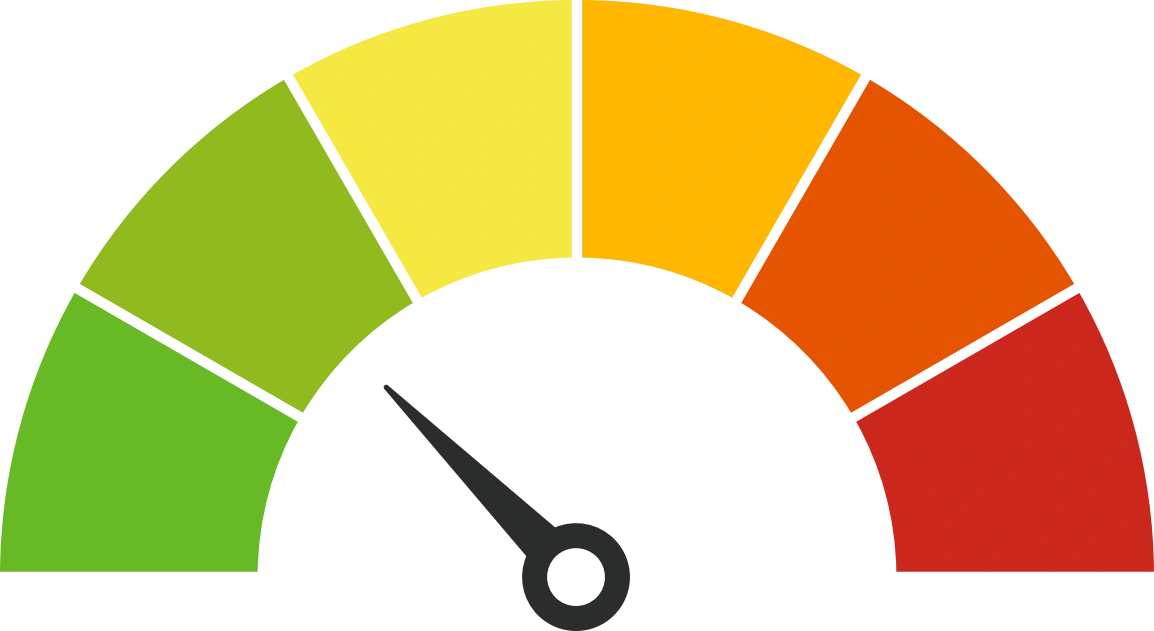
In therapy, it can be helpful to think about emotional responses in terms of intensity.
For example, feeling annoyed or upset when your partner comes home late without letting you know makes sense. That reaction might feel like level 2 or 3 out of 10. But if your emotional response jumps to a 7 or 8 — with panic, rage, or despair — something more may be happening.
The difference between the situation and the emotional intensity often points to earlier experiences being activated.
Making Sense Of Triggers In Therapy
Psychotherapy offers the time and space to gently explore these patterns.
Therapeutic work involves gradually understanding:
- Which situations tend to trigger you
- What belongs to the present situation
- What belongs to past experience
- How the two have become linked
Psychotherapy can help make sense of things and bring greater choice to how you react
This understanding can help to make sense of things and bring eventually greater choice into how you respond.
Even being able to observe what is happening — with curiosity rather than judgement — is a significant step.
It may not stop the reaction immediately, but it begins to gradually bring grounded thinking back online.
Over time, you may reach a point where you are aware of the emotional response as it unfolds, so that you are able to carry on thinking and potentially act rather than react.
Was I Really Traumatised?
Many people question whether their experiences “count” as trauma.
Most trauma is not related to dramatic events such as war, accidents, or physical violence.
Experiences that involve emotional neglect, feeling invisible, helpless, or chronically unsupported can also be traumatic — particularly in childhood, when you had limited resources to understand or protect yourself.
For example, if you are especially sensitive to feeling ignored, it may connect to earlier experiences of competing for attention or feeling overlooked by caregivers. At the time, you may not have had the capacity to name what was happening, ask for support, or make sense of your feelings.
Without awareness of these links, people can become stuck in repeated relational patterns such as blaming others, or feeling repeatedly misunderstood.
If you find yourself getting caught up in emotional reactions that feel disproportionate, confusing, or damaging to relationships, therapy may be worth considering.
If you would like space to talk about what has been happening for you, or to explore whether therapy feels like the right next step, you are very welcome to get in touch with me.
Booking & Contact
Phone Consultation
I offer a free 20-minute phone consultation to discuss your needs and see if we’re a good fit
Get in Touch
Send a Message
Please fill in your details below, and I’ll get back in touch with you

Contact Info
Privacy Policy | Cookie Policy | GDPR Statement | Data Retention | Make a Complaint
©Jack Schneider
powered by WebHealer