
London Therapy Hub
Understanding Anger And How Psychotherapy Would Approach It
When Anger Feels Difficult To Manage
Anger is a natural human emotion. Everyone experiences it at times, and in itself it is not a problem. Difficulties arise when anger feels overwhelming, unpredictable, or begins to affect your relationships, well-being, or our sense of control.
You may notice anger appearing suddenly, feeling more intense than the situation seems to warrant, or leaving you with feelings of guilt, shame, or confusion afterwards.
For some people, anger feels frightening — either because of how it is expressed, or because of the fear of losing control.
Understanding anger with compassion rather than judgement can be an important first step.
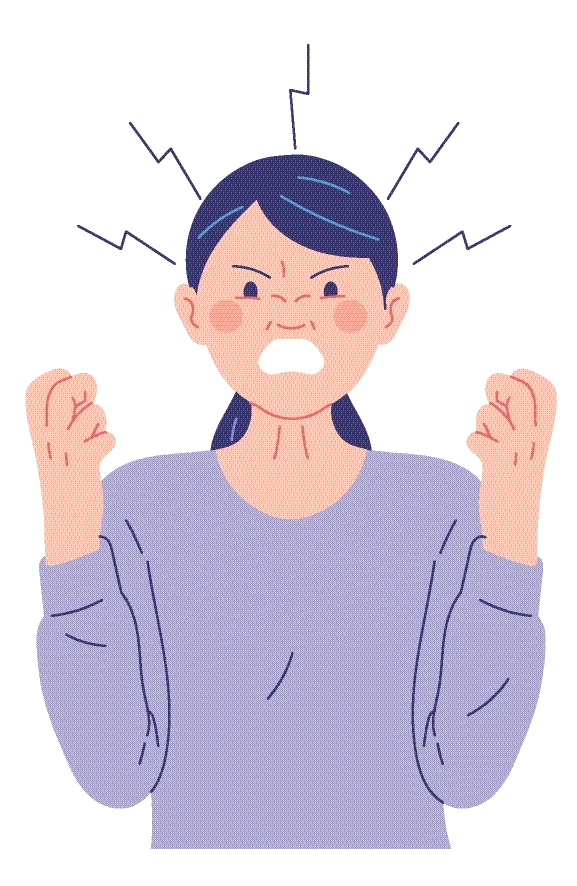
What Actually Causes Excess Anger
Anger rarely exists on in isolation.
It is commonly understood as a powerful response to an external threat. It musters up energy so that we can act protect ourselves or others.
It also functions as a protective emotional response. We often feel angry because our emotional needs aren’t being met. And it often sits above other emotions that may feel harder to tolerate, such as fear, shame, anxiety, hurt, or distress.
When these feelings build up without space to be acknowledged or processed, anger can become the emotion that breaks through.
From this perspective, anger is the nervous system’s attempt to create a change or manage experiences that feel overwhelming or unsafe.
Anger is your nervous system’s attempt to create a change or manage experiences that feel overwhelming or unsafe
The Hidden Roots Of Anger Problems
For some people, difficulties with anger are linked to earlier experiences, particularly in childhood. If we were not helped and taught to understand and manage our feelings, it causes emotional distress.
When those early experiences remain unprocessed, present-day situations can activate the same emotional responses, even many years later.
Without learning how to manage our feelings and get our need met when we were younger, we remain unequipped to reach emotional equilibrium as adults.
Some anger difficulties develop in families where emotions were discouraged, ignored, or inconsistently responded to. In some households, anger was seen as unacceptable or dangerous. In others, it may have been the only emotion that could be expressed, while vulnerability was dismissed.
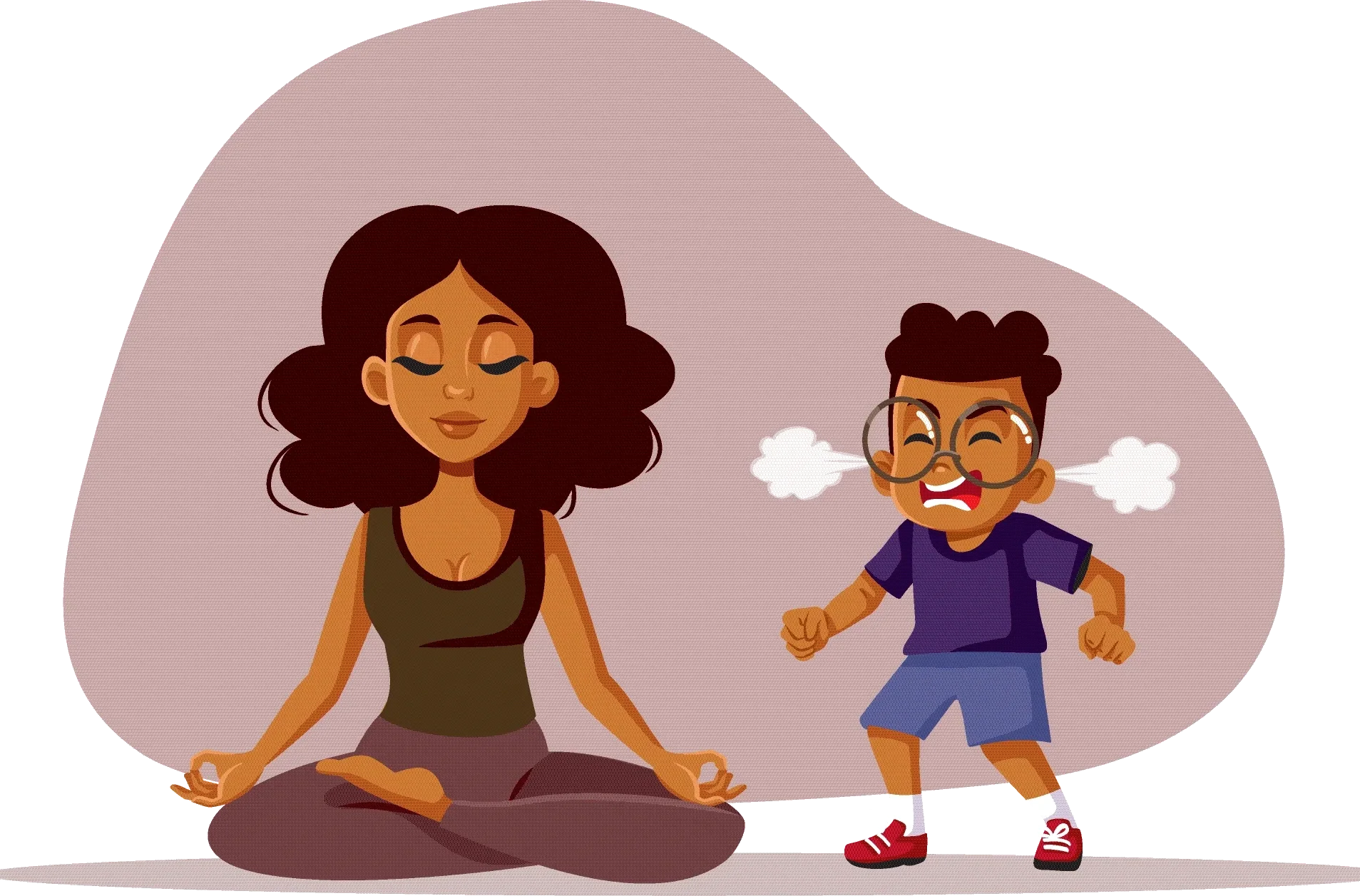
When anger cannot be safely acknowledged, it does not disappear. Instead, it may be pushed down, only to resurface later as outbursts, irritability, or a sense of being constantly on edge.
In some cases, unacknowledged anger can also affect how we perceive others.
You may find yourself feeling threatened, criticised, or attacked more easily, even when no harm is intended. This state of emotional vigilance can be exhausting and isolating.
Some people cope by trying to tightly control their internal world, which can show up as rigid thinking patterns or compulsive or obsessive behaviours.
Why Managing Anger Can Feel So Hard
Feeling anger is a fundamental human emotion, and attempting to eliminate it entirely isn't a helpful or realistic goal. The challenge lies in finding ways to work with anger that are safe and meaningful.
The challenge lies in finding ways to work with anger that are safe and meaningful
Most expressions of anger are misdirected - not assertively and constructively conveying your feelings to the right person at the right time.
Instead, they're taken out on the wrong person (a partner instead of a boss), at the wrong time (long after the triggering event), and in the wrong way (through reaction or aggression rather than constructive communication).
When we are angry, the parts of the brain responsible for reflection, regulation, and emotional processing are less accessible. This makes it very difficult to pause, think clearly, or respond in a way that aligns with your values.
Anger, in these moments, is often less about the present situation and more about an accumulation of unprocessed emotional experiences.
Behavioural Approaches To Anger
You may already be familiar with practical strategies for managing anger, such as breathing exercises, grounding techniques, or stepping away from difficult situations.
These tools can be helpful, particularly when you are able to notice what is happening internally and respond early.
The difficulty with these is twofold.
Firstly, it is a behavioural strategy and so it works as the surface or conscious level and does not approach the deeper underlying cause.
Secondly, in order to work, we have to have our thinking online and, as mentioned above, when we are angry our deeper thinking and processing are typically offline.
How Would Psychotherapy Approach Excess Anger?
Psychotherapy, offers something different from anger management techniques. It provides a safe space to explore where your relationship with anger began and what it has been protecting.
Through therapeutic work, you may discover that your anger has been carrying important messages about unmet needs, unprocessed pain, and protective patterns that once served a purpose but no longer do.
With professional support, it may become possible to develop new ways of relating to intense emotions—not by suppressing them, but by understanding and integrating them in healthier ways.
If you’re wondering whether therapy could help with what you’re experiencing, you’re welcome to reach out to me.

Booking & Contact
Phone Consultation
I offer a free 20-minute phone consultation to discuss your needs and see if we’re a good fit
Get in Touch
Send a Message
Please fill in your details below, and I’ll get back in touch with you

Contact Info
Privacy Policy | Cookie Policy | GDPR Statement | Data Retention | Make a Complaint
©Jack Schneider
powered by WebHealer